Fashion
When Posting Becomes Its Own Style of Politics


A growing number of conservative influencers are making content in which they claim to uncover fraud.
In December, the YouTuber Nick Shirley uploaded a video purporting to expose a scheme led by Somali refugees in Minneapolis.
It caught the attention of Vice President JD Vance, who shared the video online. Soon after, ICE was deployed to the city.
The video was inspiring to Amy Reichert, a 58-year-old San Diego resident, who started making her own videos claiming a similar scheme was afoot in her city.
She is one of many creators channeling populist rage and elite resentment into a style of posting.
It’s a mode of practicing politics some are calling “slopulism.”
Ms. Reichert doesn’t like to call herself a right-wing influencer.
She has a sizable following on social media (some 60,000 followers on X, and 80,000 on Instagram), where she posts videos of herself talking about what in her view is corruption in the Democratic-leaning city government of San Diego, usually while wearing rose-tinted aviator sunglasses.
Since the beginning of this year, Ms. Reichert, a licensed private investigator, has been making content that highlights what she thinks is a pattern of taxpayer fraud in her city’s child care centers. It’s a pivot she has made since watching the video by Mr. Shirley, the 23-year-old MAGA YouTuber, in which he claimed to have uncovered widespread fraud by a network of Somali Americans operating child care centers.
“I thought, How can I, as a private investigator and private citizen, do what Nick did in Minnesota?” Ms. Reichert said. “We are drowning in fraud in California.”
After just a few hours of researching state databases in early January, Ms. Reichert began to post screenshots on X of documents she claimed belonged to “ghost” day care centers in San Diego County. The posts spread widely. Soon, she was on television to discuss her work with the Fox News host Jesse Watters, and President Trump was sharing a clip of the segment on his Truth Social platform.
Then Ms. Reichert began making videos, sometimes standing outside the day care centers in question, in which she repeated the allegations while presenting little proof of wrongdoing. But her message — that foul play was taking place — was clear.
One video Ms. Reichert posted was quickly clipped and reshared on X by right-wing news aggregators. It earned close to half a million views — essentially a viral moment for a creator of Ms. Reichert’s stature.
She was also happy to see that Mr. Shirley, whose work Mr. Vance suggested was more consequential than Pulitzer Prize-winning journalism, began to follow Ms. Reichert on X.
“Quite amazing, these past few weeks,” Ms. Reichert said.
Ms. Reichert is one among many conservative content creators who have become the internet’s busiest sleuths in recent weeks. They create videos that are light on evidence and traditional journalistic techniques but are filled with sinister-sounding claims that neatly align with the Trump administration’s priorities.
Armed with digital cameras and publicly available documents, they claim to be documenting patterns of elite corruption, taxpayer fraud, abuse of power and government waste across the country, hoping their posts and videos will cross into the feeds of elected officials, as Mr. Shirley’s did.
Some of the biggest names in MAGA media have fanned out across the country to make this content.
The influencer Cam Higby claimed to have uncovered a nearly identical case of fraud, undertaken once again by Somali migrants, in Washington State.
Benny Johnson, a creator with close ties to the Trump administration, set out looking for fraud within state-run homeless programs and misspent Covid relief funds in California.
On YouTube, Tyler Oliveira, a 26-year-old creator with over eight million subscribers, posted videos claiming to have uncovered a “welfare-addicted” township in upstate New York.
Even Dr. Mehmet Oz, a Trump administration official, has made a video in which he claims a $3.5 billion medical fraud operation is happening in Los Angeles.
What Is ‘Slopulism,’ Exactly?
It’s a novel form of political behavior that has left many political commentators and researchers struggling to articulate what it is. Though many are quick to say what it’s not: investigative journalism. It is also, experts say, more than misinformation or disinformation, terms that fail to capture the nature of these misleading posts and how they are filtering up into the highest echelons of government.
Curt Mills, the executive director of The American Conservative magazine, called it “MAGA-muzak.”
Kate Starbird, a researcher at the University of Washington who studies online spaces and extreme politics, has called it “participatory propaganda.”
“Try ‘entrepreneurial opportunism,’” said A.J. Bauer, an assistant professor of journalism at the University of Alabama with a focus on right-wing groups.
“The real novelty here is the synchronization between the movement, the party and the state — but there isn’t a buzzword yet,” Mr. Bauer added.
The sameness of this politicized content, created overwhelmingly by figures orbiting the conservative cultural ecosystem, is, to many on the right and the left, not unlike digital “slop.” The term, which refers to low-quality, low-information, A.I.-generated content, has gradually expanded to more generally describe the gruel-like mixture of online ideas, images and memes flooding our feeds.
That’s how you get another term, “slopulism,” which has of late become a buzzword with X users and Substackers, many associated with the right, during the course of Trump’s second term.
Slopulism, as described by these commentators, is a kind of political post that elides concrete political concerns in favor of the fast-acting satisfactions of social media rage and culture-war jargon. It’s a political tendency that offers followers emotional gratification through mindless, performative gestures online.
Many of the content creators, like Ms. Reichert, were unfamiliar with the terms slop or slopulism.
These days, on platforms like X, slopulism is a pejorative label often applied to posts by politicians and pundits alike, anyone who shares out lowest-common-denominator ideas designed to appeal to loyal political bases.
On the right, this can look like gleeful cruelty, sadistic memes, posts that “own the libs” or sensationalized claims about fraud and conspiracy. On the left, it could be social justice messaging, online identity politics or populist economic proposals to, say, tax the rich.
The new wave of fraud-themed content, made by creators like Mr. Shirley, invokes familiar themes of populist rage and elite resentment. It seems to be the latest evolution in a culture where posting is a primary method of practicing politics — except these posts appear to be made not only to get in on a trending wave, but also to provoke policy action.
“Slopulism works by harnessing the excitement and vibe of a moment,” said Neema Parvini, a senior fellow at the University of Buckingham in England who is considered to have popularized the term. He believes it’s a way for populist leaders, like Mr. Trump, to keep their bases content.
“It convinces supporters to invest their emotions in story lines rather than the substantive politics or structure behind it,” he said. “It doesn’t lead anywhere, it’s just entertainment.”
‘Building for Years’
Renaming the Gulf of Mexico. The annexation of Greenland. A proposal to turn Gaza into a glittering resort town. All of these ideas found their potency in the form of viral content, circulated by those on the right, before they were fully embraced by the Trump administration. The online right podcaster Alex Kaschuta called this “the vibes-based international order.”
“This dynamic has been building for years,” said Dr. Starbird, the extremism researcher. “But in the second Trump administration, this relationship is more direct, with policies clearly being motivated, shaped and justified by and through digital content creation.”
As with most viral content, the ideas emerging from these online environs can be fleeting. Mr. Mills, of The American Conservative, described the administration’s recent policy priorities as having a “flavor of the month” feel.
Some on the right pushed back against the idea that slopulism, or any dynamic like it, is driving the administration’s actions.
“It’s a misread of the situation,” said Jesse Arm, vice president of external affairs at the Manhattan Institute, a conservative think tank. He pointed out that something like the Greenland annexation, which is often described as meme policy, could be traced to “far more serious conversations” between the president and his advisers as far back as 2019.
“I don’t think President Trump is hyper-invested in what’s happening online,” he said. “His administration is paying attention to what happens online, sure, but only in the sense that this is the main arena to gauge policy discourse.”
In a statement, Abigail Jackson, a White House spokeswoman, said Mr. Trump “always receives feedback and input from a variety of sources before making a decision that is in the best interest of the American people.”
Some see this as a positive style of governance, Mr. Mills said, adding, “It’s hyper-democratic in some ways: ‘Let’s look online and see what’s popular.’”
The content can have political consequences, but Mr. Bauer, the University of Alabama journalism professor, said he did not view its creation as a sincere political effort. Many of the creators he has observed making these videos aren’t highly ideological figures or even MAGA die-hards.
“They see an opportunity,” he said. “These are people that aspire to be famous online. They see that there’s a lot of desire and demand for right-wing content. And they are motivated by things like money and attention.”
Ms. Reichert said that the amount of money generated from her posts was “pathetically low,” but declined to offer further details.
Most of the fraud videos published in recent weeks resemble Mr. Shirley’s in both form and content. Almost always, the person suspected of wrongdoing is an immigrant or a member of a minority group, the most common ethnic category being that of Somali refugees, as in Mr. Shirley’s video about Minnesota.
While some, like Ms. Reichert, say they are inspired by Mr. Shirley, others deny any influence.
Until this January, David Khait, a conservative content creator with over 100,000 subscribers on YouTube, posted mostly man-on-the-street debates and interviews, a confrontational content style popularized by the conservative activist Charlie Kirk, who was assassinated in September. But recently, he has begun making videos about what he says is voter fraud in Fulton County, Georgia.
“There’s been no pivot here,” Mr. Khait, 26, wrote in a text message. “Call my content what it is: confronting institutional failure head-on because that’s what’s staring Americans in the face.”
The slopulist impulse may be most acute on the right at the moment — owing to the Republican control of the federal government — but some have argued this mode of online political engagement has its origins across the aisle.
Sean Monahan, the founder of the trend forecasting group K-Hole, has traced it back to the rise of the so-called “dirtbag left,” an online set of leftists who came to prominence during Bernie Sanders’s presidential run in 2016.
“It was a style of politics presented to younger, left-wing consumers, things like raising taxes on billionaires or modern monetary theory or controls on rent,” Mr. Monahan said. “There was a presumption that you could lay out a policy goal with no political trade-offs, no constituencies to navigate and no downsides.”
One recent example of slopulism on the left, he said, might be the mayoral campaign of Zohran Mamdani, whose platform included a promise to freeze the rent.
“He’s a little bit slopulist,” Mr. Monahan said of Mr. Mamdani, adding, “This is the feel-good model of politics where the mechanics are less important than taking credit and celebrating.”
For some, it is likely to be one of the more rewarding ways to practice politics in modern-day America.
“I don’t want to live a life of quiet desperation,” Ms. Reichert said.
Mr. Shirley, in recent days, has been staying the course, too. While he has moved on from Minnesota, he’s still making videos about fraud aimed at immigrant-operated day care centers. But this time he’s in California and has a new collaborator by his side: Ms. Reichert.
Last month, she posted a photograph of herself and Mr. Shirley on X that has been viewed 1.4 million times. Using a flame emoji, she wrote: “California, here we come!”



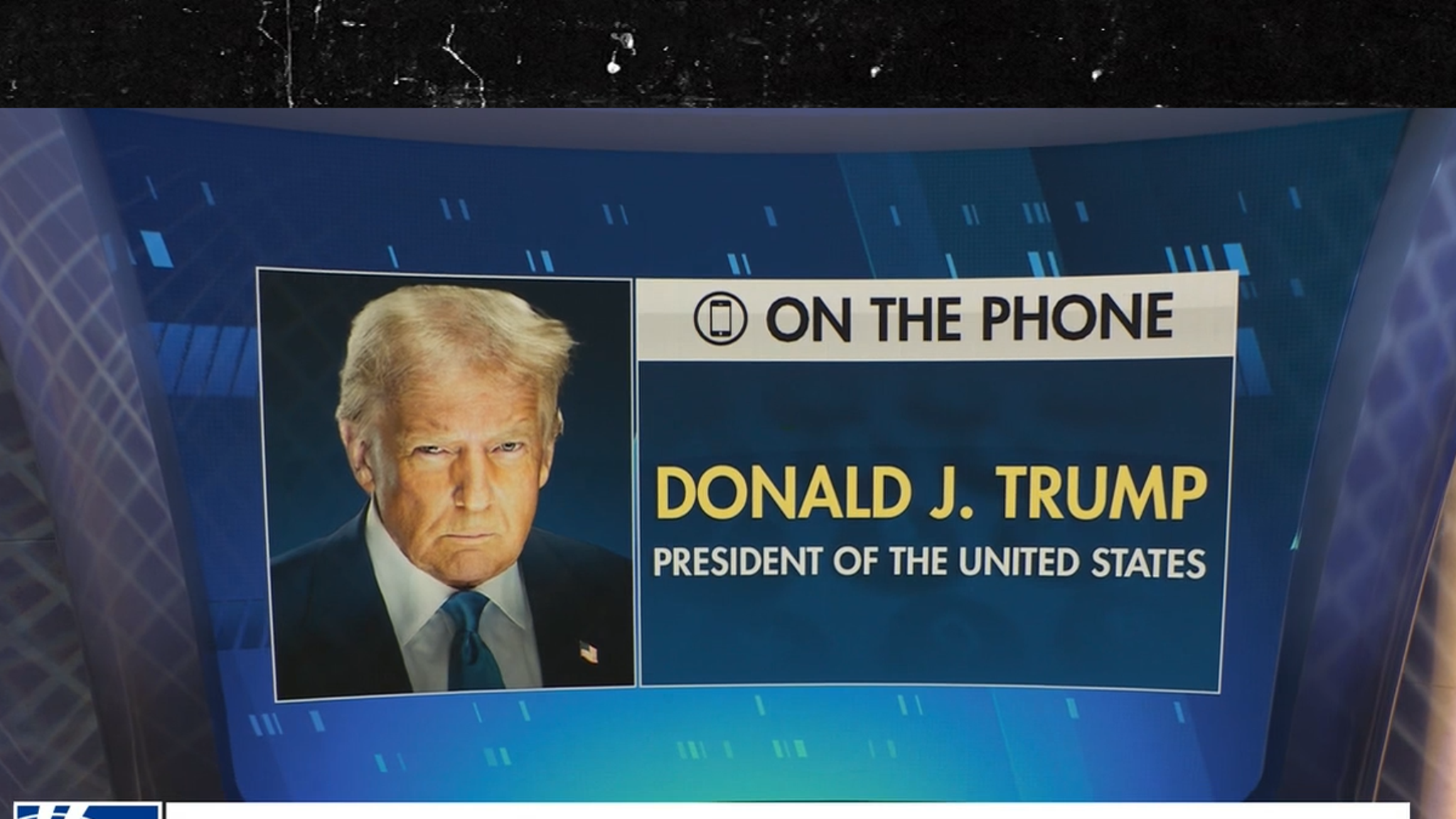
Donald Trump Rambles About Success With ‘The Gay Vote’ in Iran War Interview
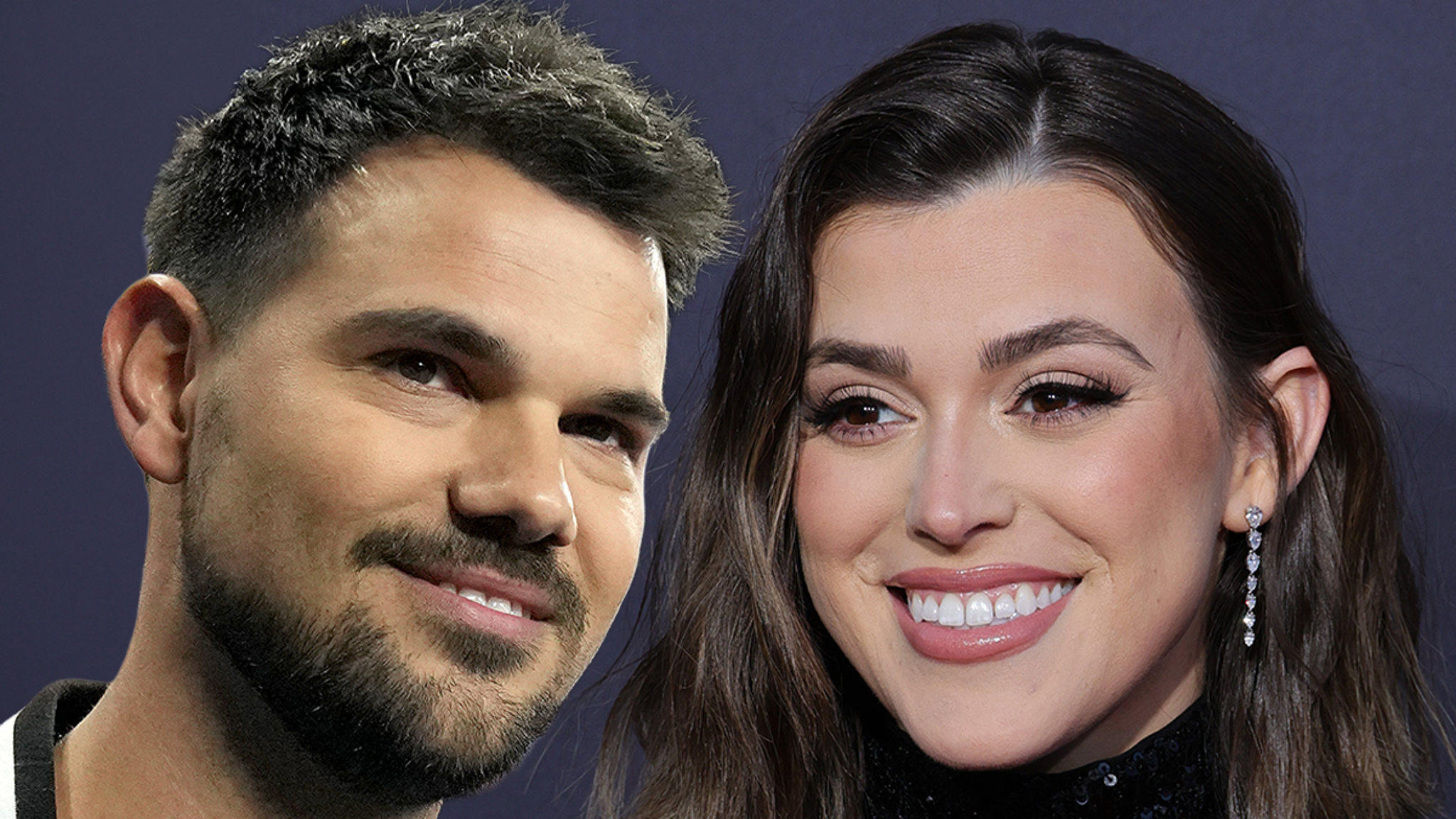
Taylor Lautner & Wife Taylor Lautner Are Expecting Their First Child
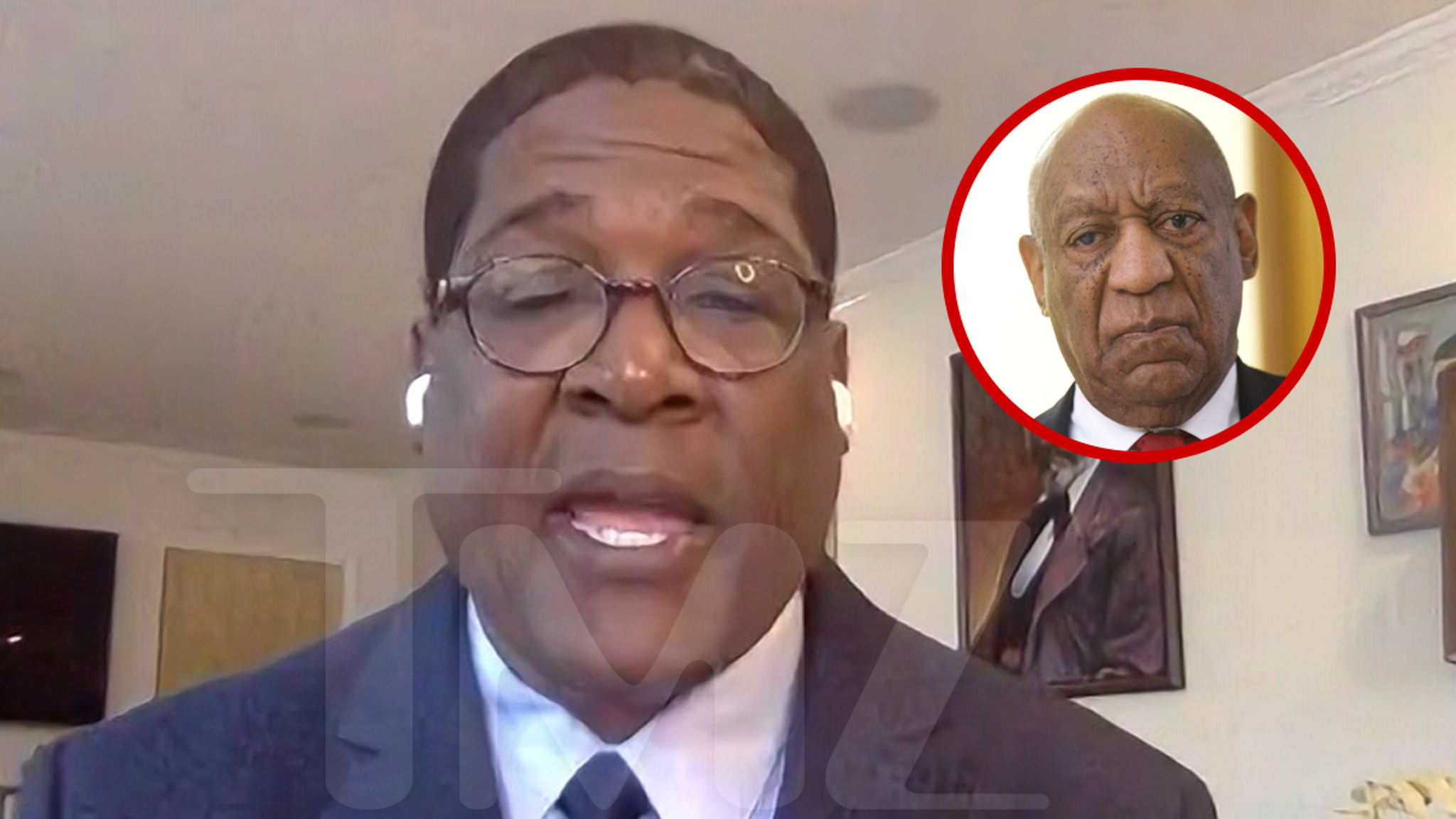
Bill Cosby Was Just ‘Having a Good Time’ Giving Quaaludes to Women, Former Manager Says

Noelia Castillo Ramos Dies by Voluntary Euthanasia Procedure

Guess The Famous Singer Showin’ Off Her Bikini Booty!

This Simple Chocolate Dessert Is Perfect for Easter
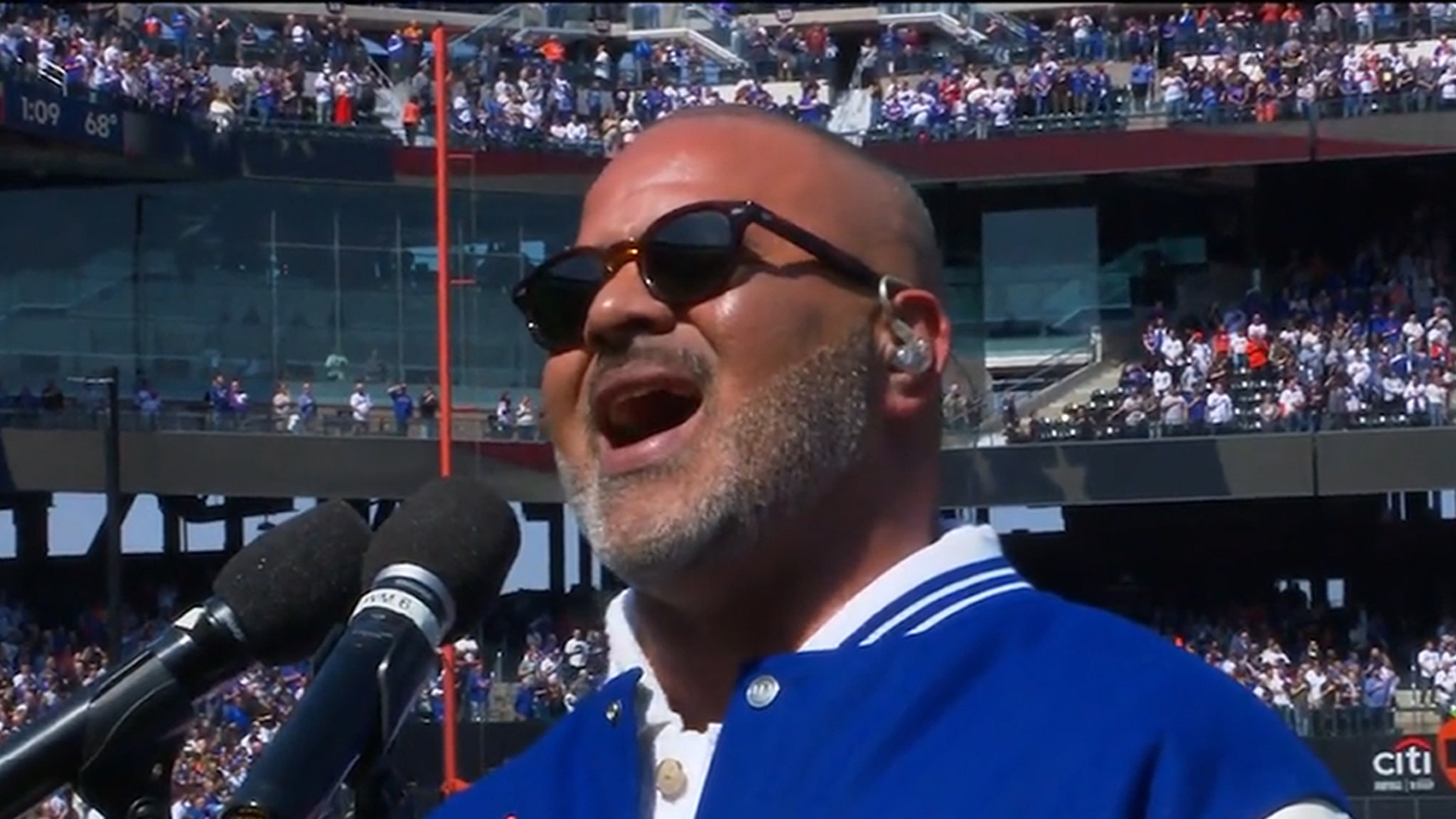
‘Hamilton’ Star Messes Up National Anthem At Mets’ Opening Day Game

Alan Ritchson’s Neighbor Says ‘Not a F***ing Penny’ Exchanged in Case

‘We’ve Been Waiting for Years’: BTS Fans Celebrate Before Comeback Concert

The Genius of Raphael in Three Works of Art

Why Are We Obsessed With Antigone?

Book Review: ‘Playmakers: The Jewish Entrepreneurs Who Created the Toy Industry in America,’ by Michael Kimmel

Should I Stop Dyeing My Gray Hair?

Do You Know the Comics That Inspired These TV Adventures?

Salmon Cooking Tips – NYT Cooking

Taylor Frankie Paul Takes Suitor to NFL Game During Bachelorette Date

My Relative Takes Forever to Reply to My Texts. What Can I Do?

Vote for Your Favorite (and Least Favorite) Red Carpet Looks from the Oscars

The Boys in Trueblood Came to Rock

Prada Peels Back the Layers at Milan Fashion Week

How the Editor in Chief of Marie Claire Gets Styled for a Trip to Italy

What Did Valentines Day Cards Look Like 200 Years Ago?
When Posting Becomes Its Own Style of Politics
