Food
Melissa Clark Thinks This Is the Best Homemade Matzo


When Hillary Sterling, the chef at Ci Siamo in New York City, created a homemade matzo recipe for her restaurant, she was not picturing those perforated squares in the cardboard box.
Her muse was pane carasau, the crackerlike Sardinian flatbread that she once devoured on a trip to the region. Airy, dimpled and singed at the edges, the paper-thin flatbread reminded her of the blistered rounds of handmade shmurah matzo she ate during her childhood in Brooklyn. Except it was better.

The dough should be rolled extremely thin and baked quickly on high heat.Credit…Armando Rafael for The New York Times. Food Stylist: Simon Andrews.
The main difference between pane carasau and matzo, she learned, is that the Sardinian cracker is enriched with olive oil for tenderness and salt for flavor, while traditional matzo is made from just flour and water. Her recipe isn’t kosher for Passover, but that wasn’t the goal.
“Our job is to make people realize that matzo could actually be good,” she said.
Every year, she trains her cooks on how thin to roll the dough (extremely) and how long to bake it (quickly, at high heat on a heated pizza stone), so that it comes out crunchy and well browned all over.
The training always includes a sampling of commercial boxed matzo so the team can understand the difference.
“Once they taste bad matzo,” Ms. Sterling said, “they really see the importance of what we do.”
Her recipe, which I’ve adapted here, will be published in her new cookbook, “Ammazza!” which comes out in May. It’s not a Seder cookbook — the title, Roman slang for “wow,” has nothing to do with matzo crackers — but does include a Passover chapter featuring her takes on the classics: brisket, schmaltzy kugel and her Grandma’s boozy Jell-O spiked with brandy.

Roasted carrots pair beautifully with smoky, spicy harissa.Credit…Armando Rafael for The New York Times. Food Stylist: Simon Andrews.
One relatively radical idea she shares is to use the symbolic elements of the Seder plate as inspiration for dishes to serve throughout the meal. There’s a recipe for kumquat mostarda, which is a nod to the tradition of putting an orange on the Seder plate as an act of inclusion of L.G.B.T.Q. Jews, and another for roasted eggs with black pepper and pecorino. I was drawn to a simple harissa vinaigrette, which she pairs with roasted beets as a vegetarian stand-in for the lamb shank. In my version, I use roasted carrots, which pair beautifully with the smoky, spicy dressing.
These dishes aren’t strictly traditional or kosher, but all of them have good stories behind them. And telling those stories together, Ms. Sterling said, is why we gather at the Passover table.
Follow New York Times Cooking on Instagram, Facebook, YouTube, TikTok and Pinterest. Get regular updates from New York Times Cooking, with recipe suggestions, cooking tips and shopping advice.


Shaquille O’Neal Denies Sending Sabrina Carpenter ‘Horny’ DMs, I Got Way More Game!

What Happens When We Die? This Wallace Stevens Poem Has Thoughts.

Bhad Bhabie & Sophie Rain Buy Baby Oil, Magnum Condoms Ahead of OF Collab
Melissa Clark Thinks This Is the Best Homemade Matzo

Puka Nacua Vows to Sue Woman Who Accused Him Of Saying ‘F*** The Jews’
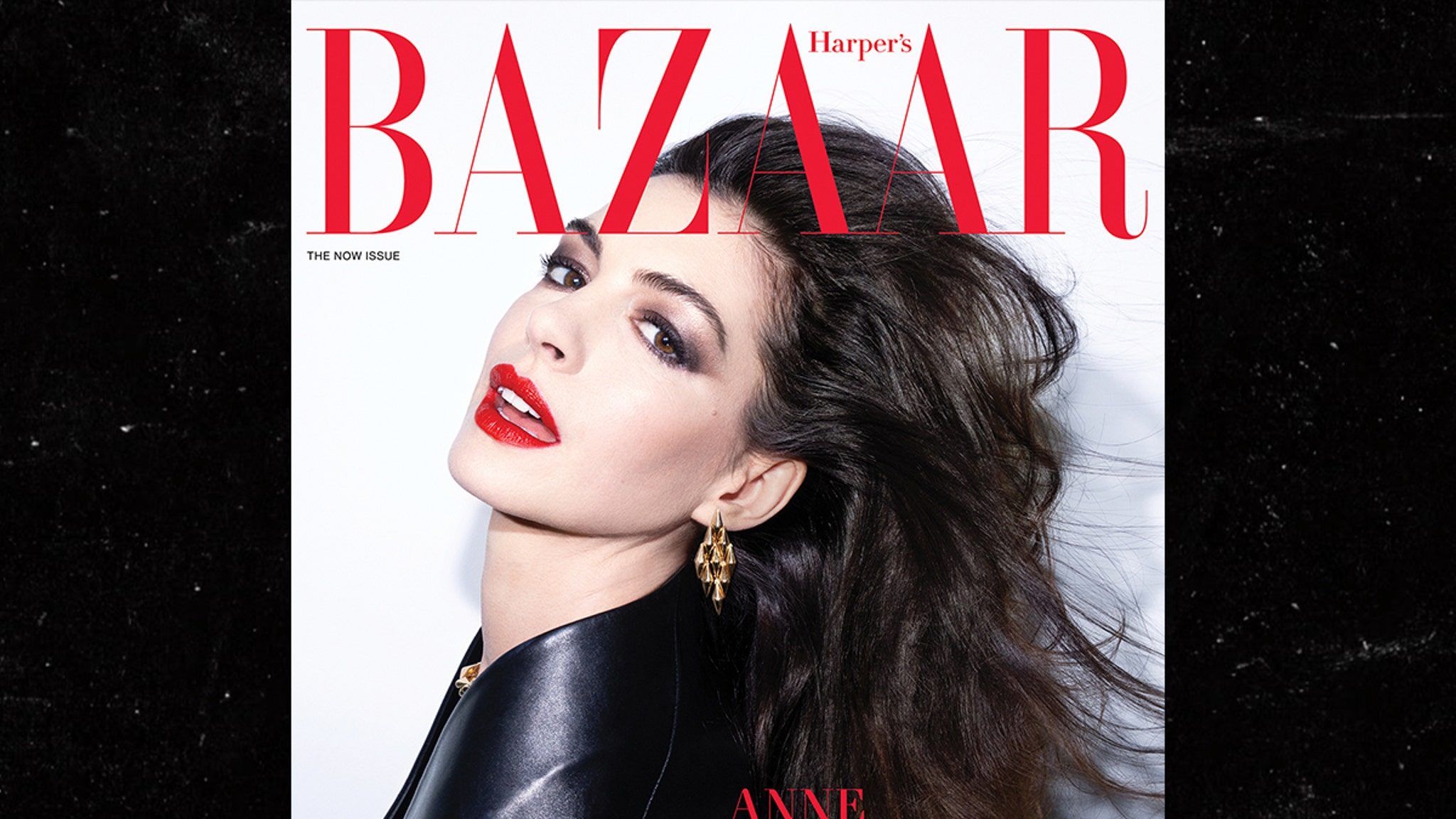
Anne Hathaway Demanded ‘Devil Wears Prada 2’ Models Not Be ‘Skeletal,’ Streep Says

Simon Cowell Says Tom Sandoval’s Band Is Perfect for Birthdays, Weddings

Sarah Michelle Gellar, Elijah Wood, ‘Ready or Not 2’ Cast Evacuated During Hotel Fire

Our Spring Book Recommendations – The New York Times

‘We’ve Been Waiting for Years’: BTS Fans Celebrate Before Comeback Concert

36 Hours in Shanghai: Things to Do and See

The Genius of Raphael in Three Works of Art

Director David Lynch Left Massive Estate to Kids, Hefty Gifts to Close Friends

Why Are We Obsessed With Antigone?

AEW Star Ricochet Apologizes For ‘I’m Glad You Got MS’ Post

Book Review: ‘Playmakers: The Jewish Entrepreneurs Who Created the Toy Industry in America,’ by Michael Kimmel

My Relative Takes Forever to Reply to My Texts. What Can I Do?

Vote for Your Favorite (and Least Favorite) Red Carpet Looks from the Oscars

The Boys in Trueblood Came to Rock

Prada Peels Back the Layers at Milan Fashion Week

How the Editor in Chief of Marie Claire Gets Styled for a Trip to Italy

What Did Valentines Day Cards Look Like 200 Years Ago?

When Posting Becomes Its Own Style of Politics
