Related: All Time Low’s New Song With JoJo Is a ‘Full-Circle’ Moment for the Band
Entertainment
How the Pop-Punk Renaissance of 2025 Brought Emo Culture Back (Excl)


The world might look a little different than it did in the early 2000s — OK, a lot different — but the music that defined a generation has stood the test of time. While the Bamboozle music festival no longer exists and skinny jeans might be out of style, Warped Tour is alive and well, and the headbanging songs of yore are making our Spotify Wrapped lists cool again. Was 2025 the year that emo came back?
The answer, unequivocally, is yes. Just look at the When We Were Young festival, which became a Las Vegas staple in 2022, for proof: The event actually originated in 2017 as something much different, but it’s since become a scream-filled, two-day reunion for bands and emo fans alike.
“That’s our nostalgia,” Jac Vanek, who you might know as the original scene queen, told Us Weekly about the festival. “That’s literally where my heart lives. I’ve never graduated from it.”
Vanek, 38, found her niche within the larger community by selling those thick rubber bracelets (you know the ones) and graphic tees with kitschy slogans like “Sorry for Partying.” Her merch has since matured (she’s now selling shirts reading “Elder Emo”), but her music taste has stayed the same.
“I love it so much. I’m glad that everybody else is coming back around to it. There’s no better music than that,” Vanek said. “Emo kids, we get it. We’re
different.”
Over the past several years, more “mainstream” artists have fearlessly revealed their emo kid pasts. MGK was the first to have a headline-making genre switch with his 2020 album, Tickets to My Downfall. He teamed up with Blink-182 drummer Travis Barker for the pop-punk record, which is still widely celebrated five years on. The singer is set to perform Tickets to My Downfall in full during select shows during his Lost Americana Tour — a festive way to end out the year if you ask Us. His Lost Americana record, which dropped this past August, also took inspiration from his emo past: He even sampled Third Eye Blind’s “Semi-Charmed Life” for the track “Starman.”
The Jonas Brothers also made a surprise appearance in the emo comeback of 2025 by inviting All-American Rejects and Boys Like Girls to open for their Greetings From Your Hometown Tour. Bands like Cartel, Dashboard Confessional and Sum 41 have since taken the stage with Nick, Kevin and Joe Jonas during various tour stops.
Nick and Joe even discussed how they were inspired by the emo and pop-punk genres during the early days of their career during an August appearance on the “Behind the Wall” podcast.
“It really started to become clear to us that if the album we made was more like garage, grungy punk rock, we wanted to land somewhere closer to the emo pop sound,” Nick explained of the band’s 2006 debut LP, It’s About Time, citing bands like Switchfoot, Paramore and Hawthorne Heights as influences.
Emo music defined a very specific generation, and those listeners are now realizing that it wasn’t just a phase. The lyrics to songs like “I’m Not Okay (I Promise)” by My Chemical Romance resonated with early 2000s teenagers because of their angsty truths. In a time before it was the norm to discuss mental illness and — gasp — going to therapy, Gerard Way encapsulated what it feels like to go through something while sarcastically pretending to be “OK” when there’s actually a lot going on underneath the surface.
“I think for a lot of people, that time in their lives was important and formative. Emo, pop-punk, punk — whatever you want to call it — that music really spoke to that moment in a lot of people’s lives, and it latched on,” All Time Low singer Alex Gaskarth explained to Us when discussing the genre’s resurgence. “Then, people got older, and I don’t want to say outgrew it, but just life got bigger for them. So, it wasn’t as big of a part of their lives.”
But while listeners may have outgrown the dilemmas of adolescence, they’re still going through it as adults — especially in a time when every day brings a new wave of panic-inducing headlines. Gaskarth, for his part, points to events like the coronavirus pandemic as a possible reason for the renewed popularity of emo, speculating that people are “longing for nostalgia” and “finding their place again” in a post-COVID world.
“It was a perfect storm of people needing that comfort again,” the singer, 37, added. “A lot of people circled back to it, and that brought all of those bands to the forefront again.”
The explosion of TikTok, of course, also allowed a whole new generation to find solace in this type of music. All Time Low, who has been a band for 22 years, now jokes on stage about fans discovering them on the app because “Dear Maria, Count Me In” — which was originally released in 2007 — went viral a few years ago. (Their 10th album, Everyone’s Talking!, was released in October.)
“You’ve got this older generation that came up with it the first time, and now this new generation that’s experiencing it in their own way,” Gaskarth added.
One word that’s become synonymous with emo culture is “community.” The genre’s fans span multiple generations, but age doesn’t matter: The most important thing is the music. In an era when it’s easier than ever to isolate yourself inside your own world, it feels good to be part of something.
“One of the best things about our genre of music is our connection with the people that listen to our bands,” Yellowcard singer William Ryan Key told Us. “They want that community again. They want to feel like they’re connected to the artists they’re listening to and that the music is speaking to them the way it did 20 years ago.”
Yellowcard — which also includes Sean Mackin, Josh Portman and Ryan Mendez — took a yearslong hiatus from music in 2016. They reunited a few times over the years but released their first album in nearly a decade, Better Days, this past October.
“I think the resurgence comes from people’s desire to have that community and that connection to the artists that they love,” Key told Us.
Gaskarth echoed that sentiment, praising emo counterculture as something that allows people to feel a sense of belonging.
“A lot of people that didn’t necessarily know who they were [or] how they fit into the world … it gave a lot of people that maybe felt that uncertainty a bit of strength,” he shared. “That’s something that I have noticed coming back around as this wave has crashed again. It’s really cool to see.”
While the music has stayed the same, the emo trends have definitely evolved — and a lot of artists are hoping that certain aspects of the culture stay buried.
“We could probably leave some of the haircuts in the past,” The Maine guitarist Jared Monaco quipped to Us.
That seemed to be the general consensus across the board, with Gaskarth telling Us that he could do without the “the swoopy haircut,” which he admittedly “rocked for a long time.”
On a more serious note, Key said he’s pretty happy the “unspoken” competition between bigger pop-punk bands no longer exists.
“There was some sense of who’s gonna ‘win.’ We have left it behind,” he explained. “There’s so much communal support in our scene right now in terms of bands reaching out to tour with each other, these festivals that are happening. It’s [the] wanting to play music.”
Will this continue into 2026? If you ask Key, yes, because the revival is “just getting started.”

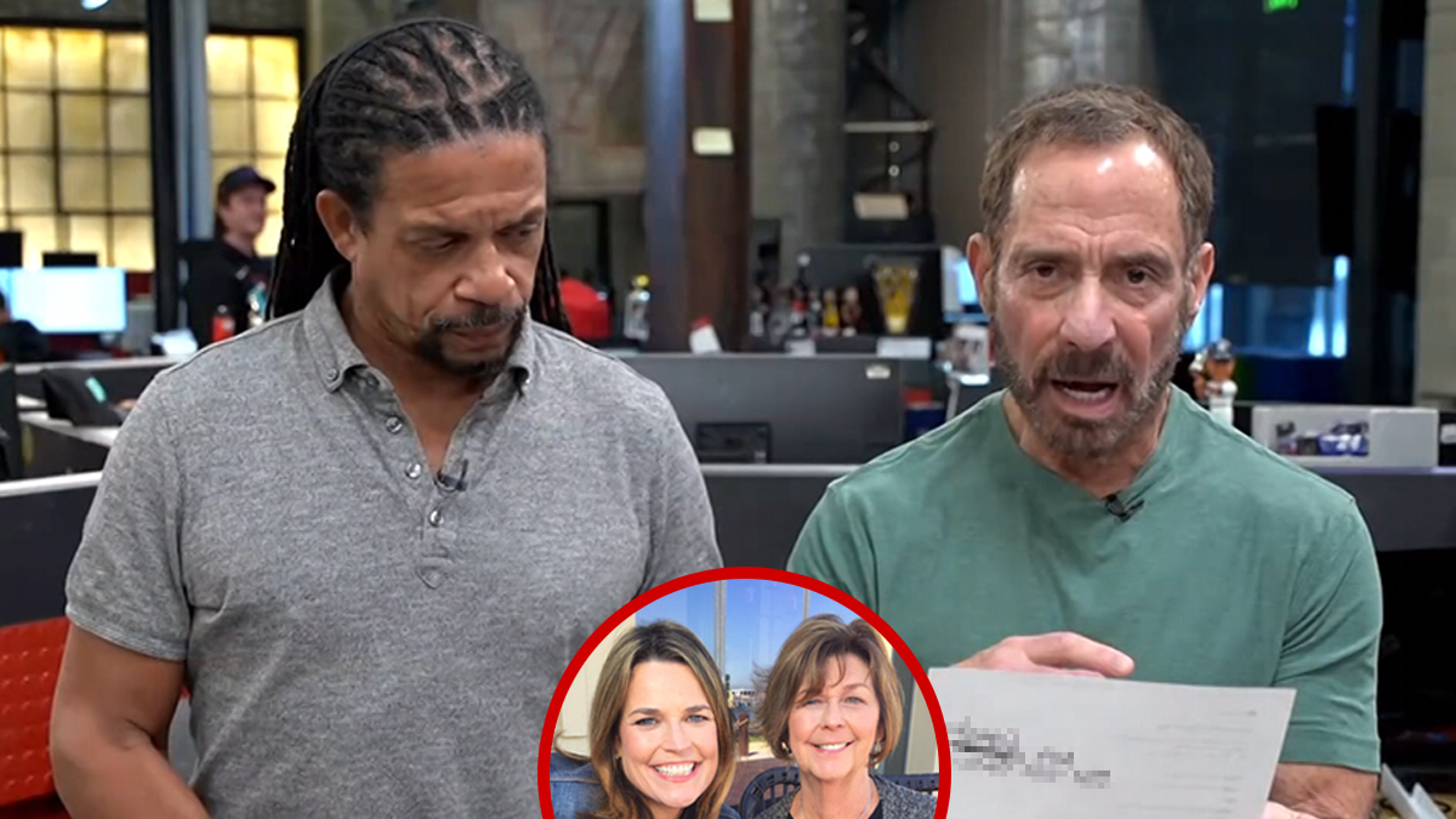
News17 minutes ago
Alleged Ransom Note for Nancy Guthrie Kidnapping Demands Millions in Bitcoin
News1 hour ago
Celebrity Hot Dog Legs Guess Who!

Food2 hours ago
Super Bowl Cooking Tips – NYT Cooking
News2 hours ago
Sheriff’s Office Update, Live Stream
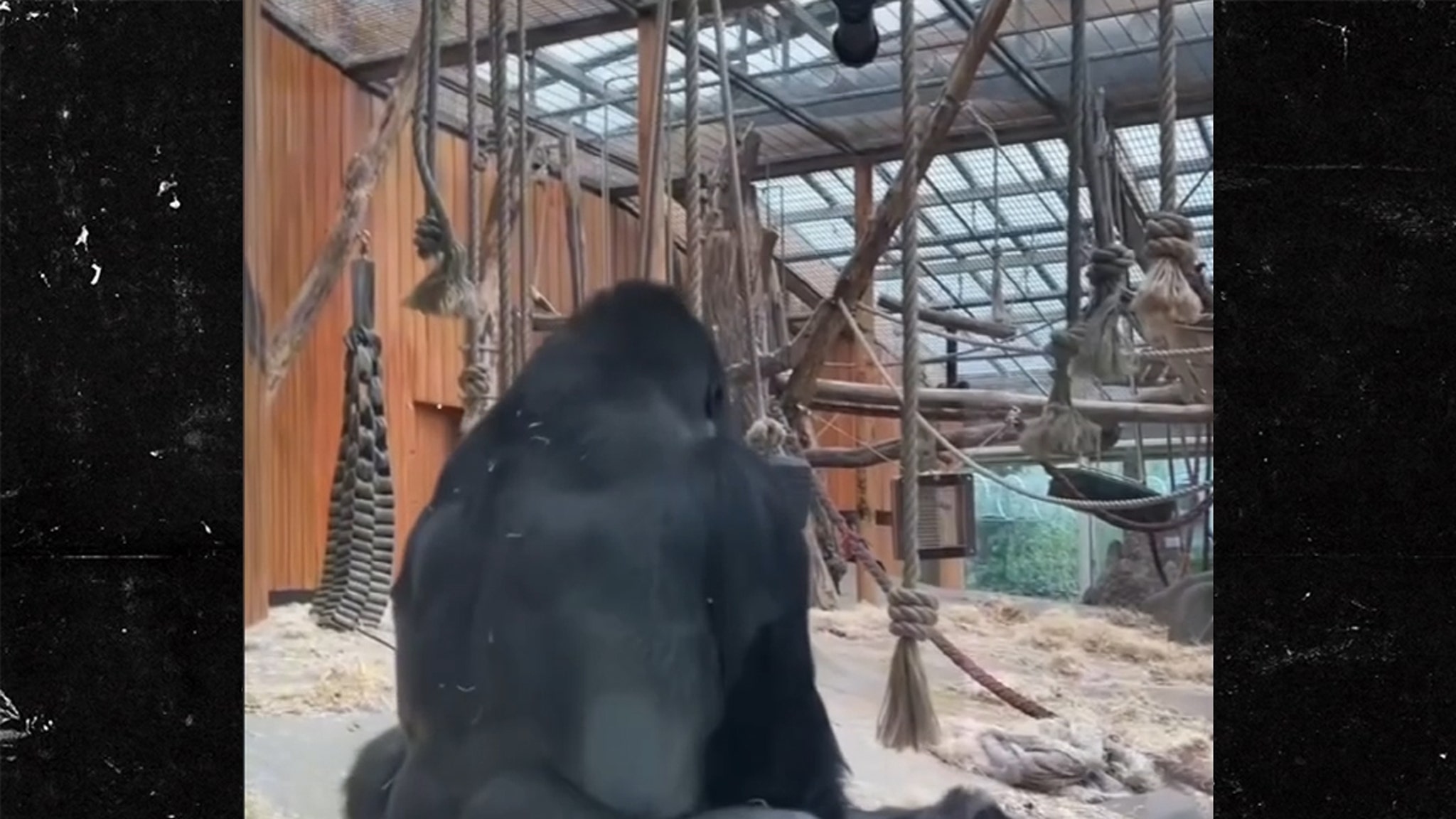
News3 hours ago
Gorillas Filmed Mating at Zoo in Front of Shocked Visitors
News4 hours ago
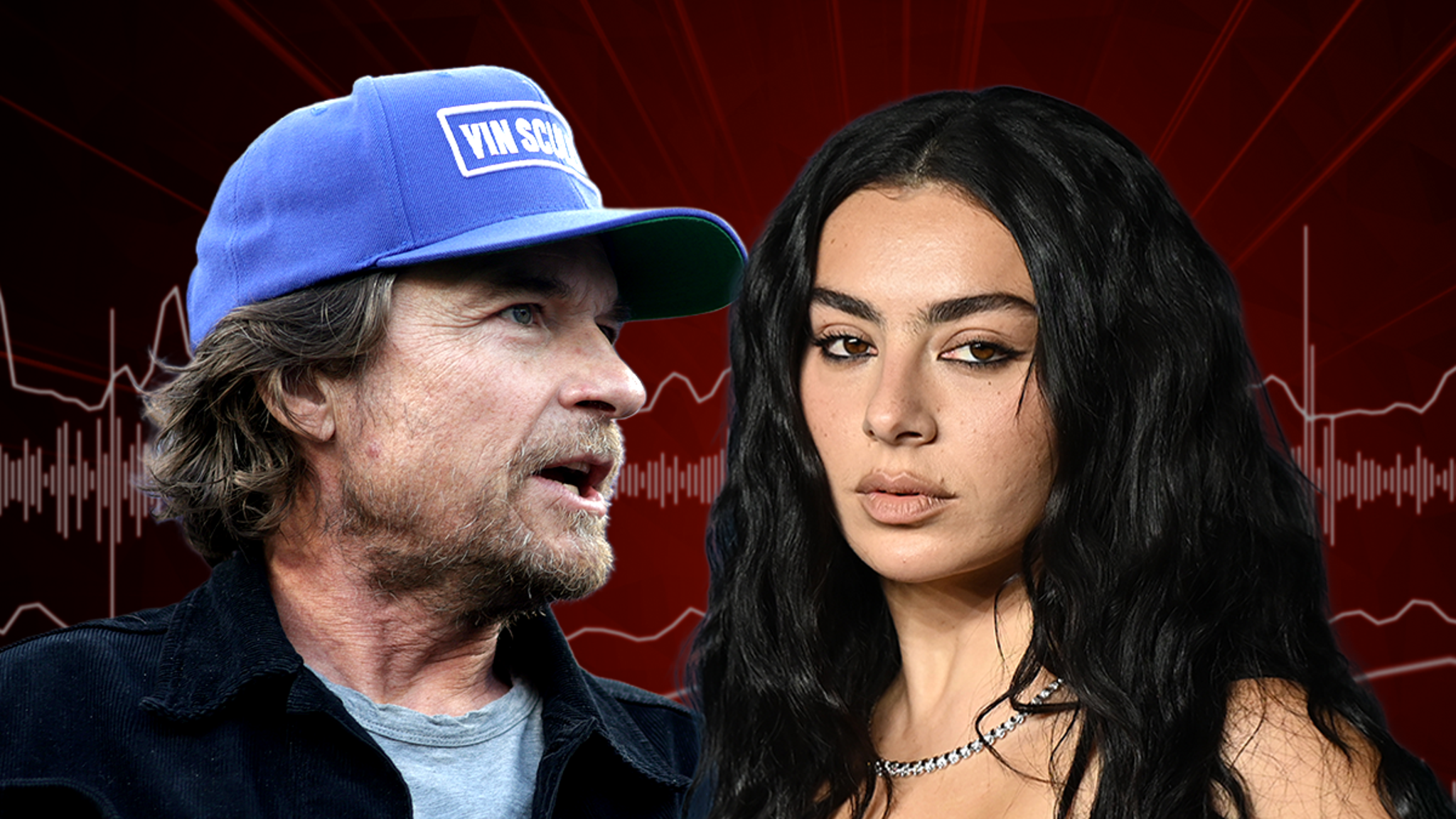
Jason Bateman Awkwardly Grills Charli XCX Over Choice Not to Have Kids
News5 hours ago
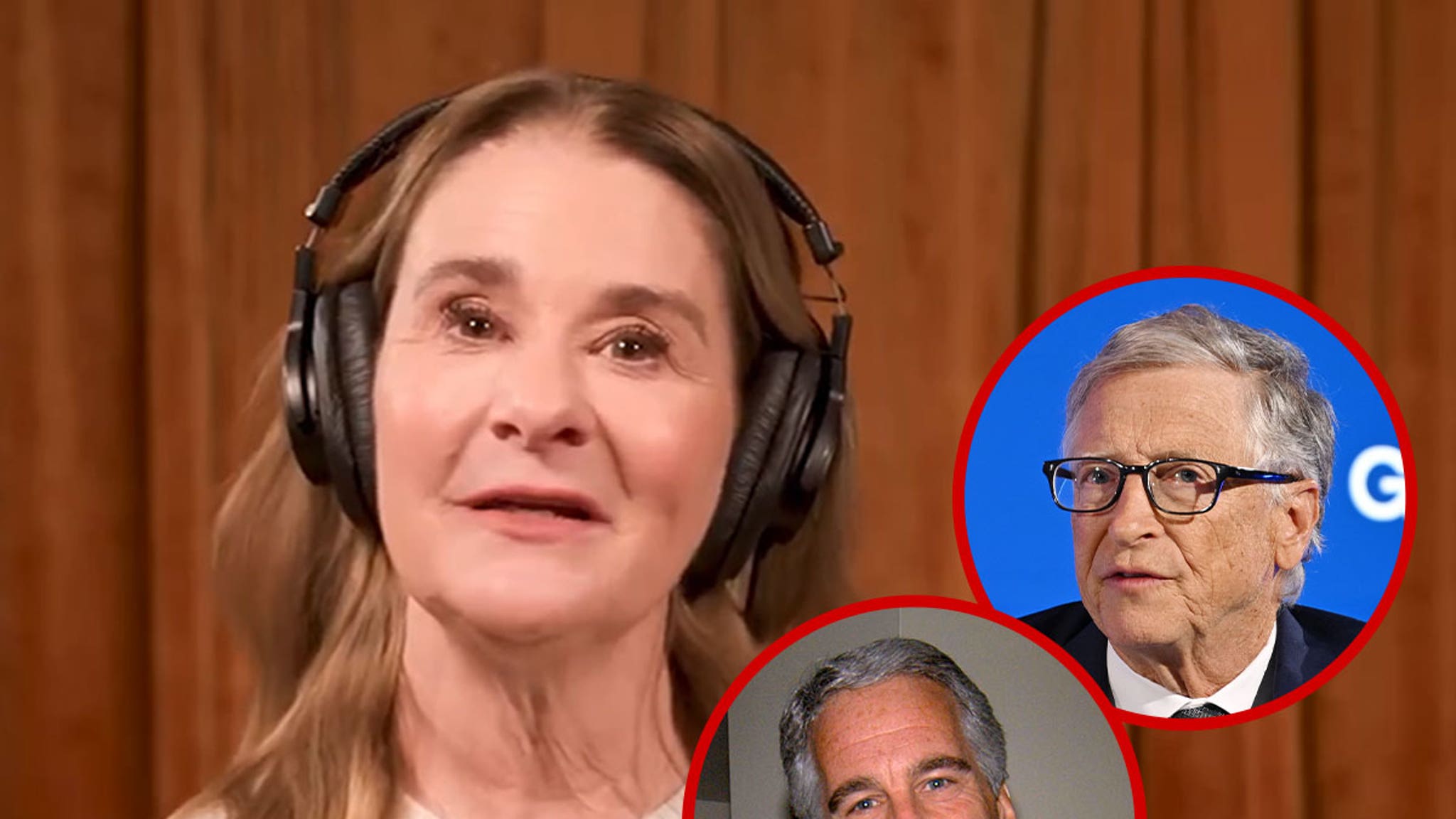
Melinda Gates Says Bill Gates Needs to Answer Questions About Epstein Files
News6 hours ago
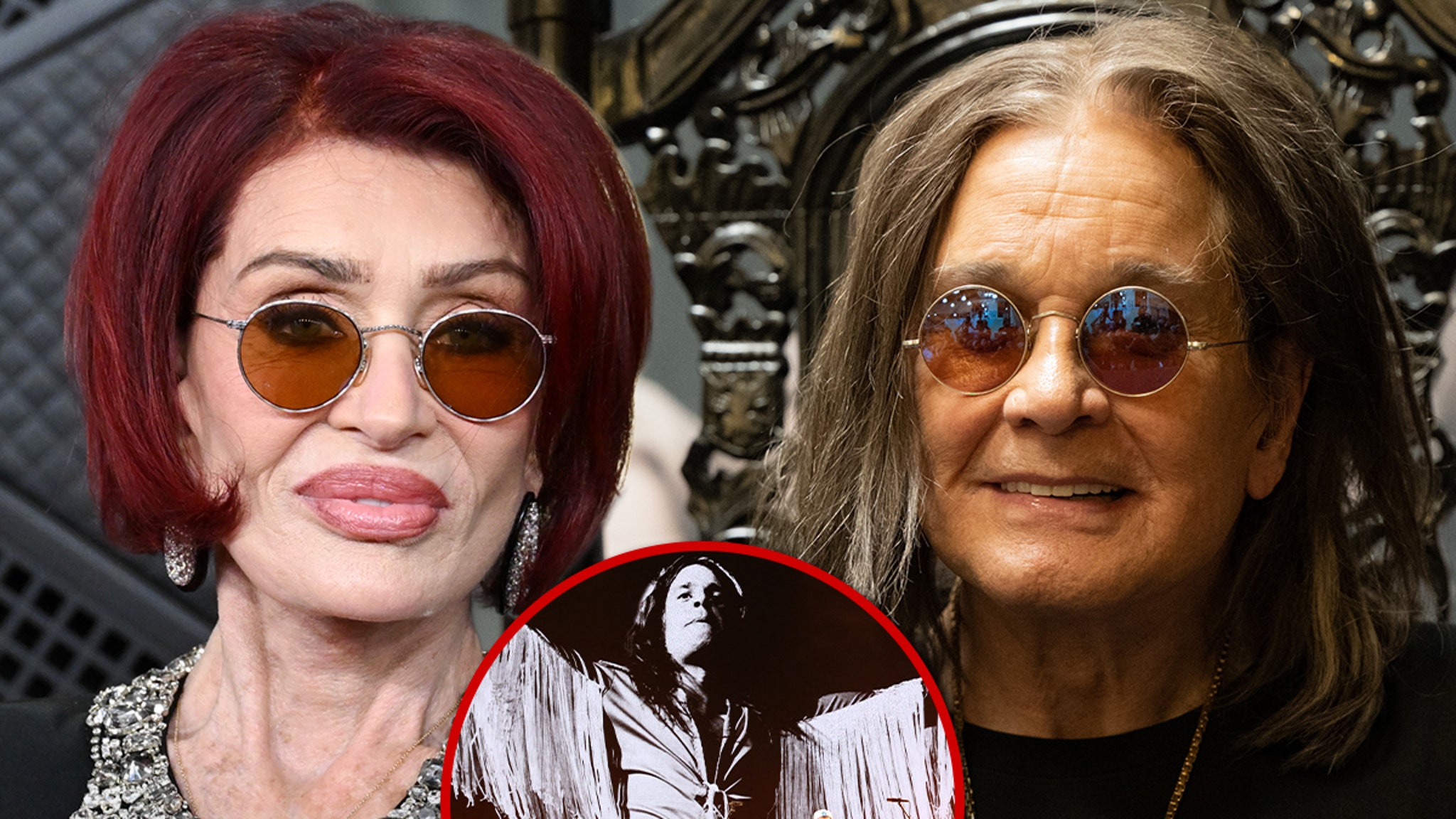
Sharon Osbourne Says Ozzy Was in the Building During Grammys Tribute

Travel5 days ago
36 Hours on Vieques, Puerto Rico: Things to Do and See
News6 days ago
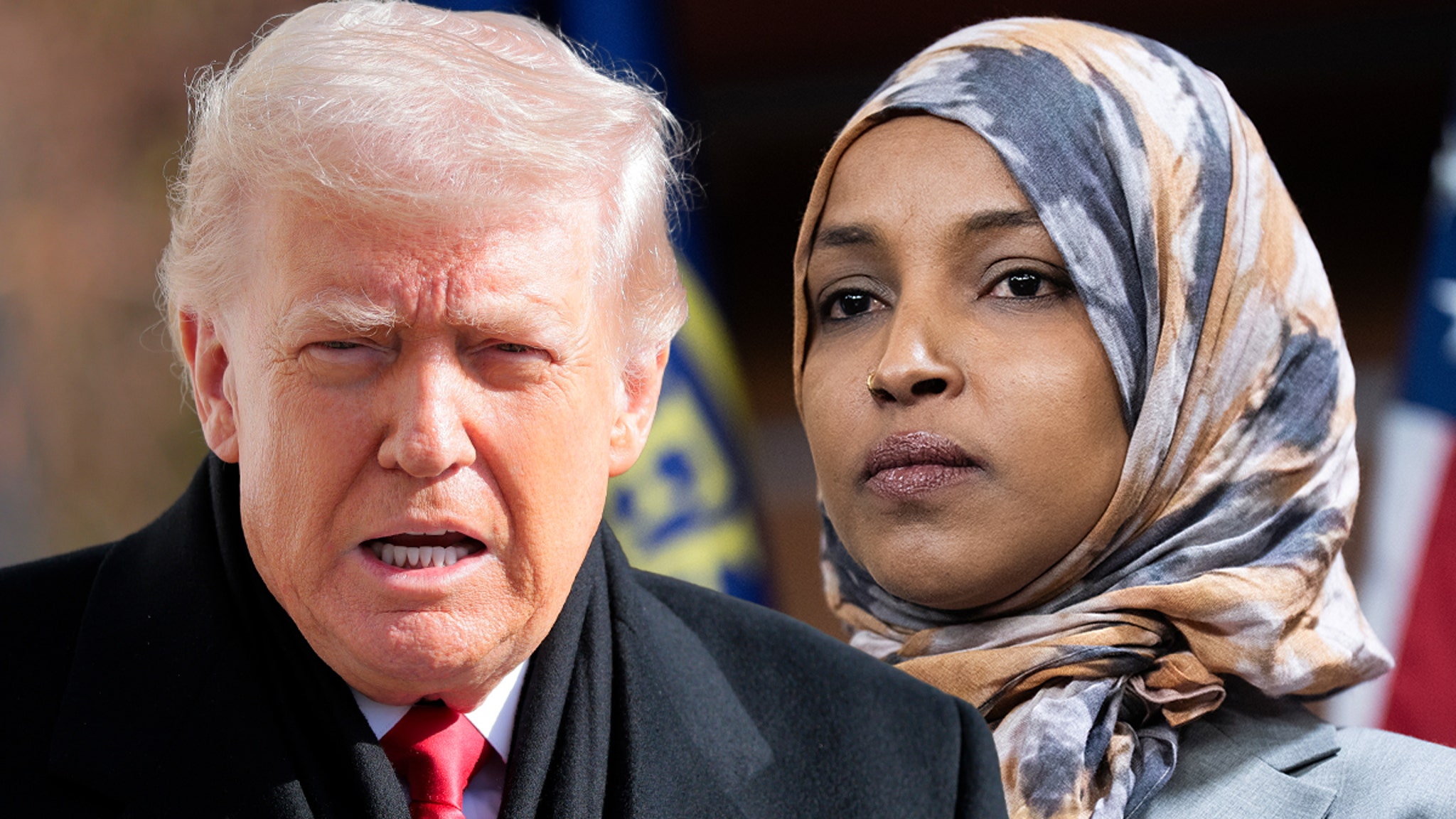
Trump Says Rep. Ilhan Omar ‘Had Herself Sprayed’ in Minneapolis Attack

News6 days ago
‘My 600-lb Life’ Star Charity Pierce Dead at 50
News6 days ago
Rashee Rice Dodges Questions About Ex-Girlfriend’s Abuse Allegations
News5 days ago
‘The Blind Side’ Star Quinton Aaron Suffered Spinal Stroke
News7 days ago
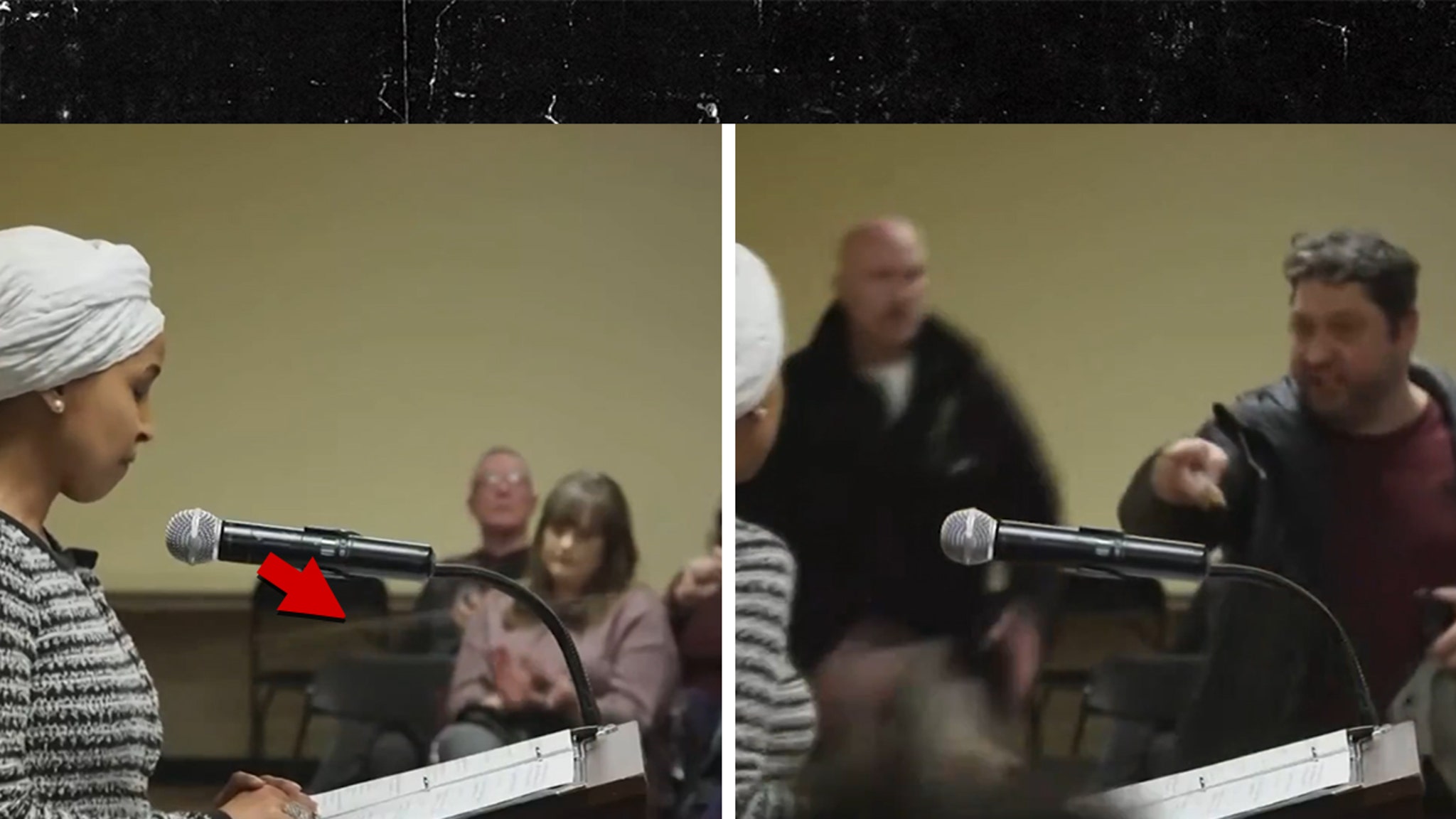
Ilhan Omar Attacked By Liquid-Spraying Man At Minnesota Town Hall
News5 days ago
Dick Vermeil Says He Feels ‘Guilty’ Being In Hall of Fame Without Bill Belichick
News7 days ago
Teyana Taylor vs. Sydney Sweeney Who'd You Rather?! Ladies In Lace

Fashion3 weeks ago
Fashion Highlights From the 2026 Golden Globes

Fashion2 months ago
The 2025 Vibe Scooch – The New York Times

Lifestyle2 months ago
Recreate Sarah Jessica Parker’s Chic Olive Coat Look for Just $62

Lifestyle2 months ago
Taylor Swift Rocks Chic Black Outfit During Girls Night With Este Haim

Lifestyle2 months ago
Christina Aguilera Reveals Daughter Prefers Her No Makeup Look Now

Lifestyle2 months ago
Bachelorette’s Taylor Frankie Paul Stuns in Sexy Dress for Rose Ceremony

Lifestyle2 months ago
Mormon Wives’ Jessi Is ‘Shocked’ at Mayci Neely’s Major Hair Makeover

Lifestyle2 months ago