Culture
From NYT’s 10 Best Books of 2025: A.O. Scott on Kiran Desai’s New Novel


When a writer is praised for having a sense of place, it usually means one specific place — a postage stamp of familiar ground rendered in loving, knowing detail. But Kiran Desai, in her latest novel, “The Loneliness of Sonia and Sunny,” has a sense of places.
This 670-page book, about the star-crossed lovers of the title and several dozen of their friends, relatives, exes and servants (there’s a chart in the front to help you keep track), does anything but stay put. If “The Loneliness of Sonia and Sunny” were an old-fashioned steamer trunk, it would be papered with shipping labels: from Allahabad (now known as Prayagraj), Goa and Delhi; from Queens, Kansas and Vermont; from Mexico City and, perhaps most delightfully, from Venice.
There, in Marco Polo’s hometown, the titular travelers alight for two chapters, enduring one of several crises in their passionate, complicated, on-again, off-again relationship. One of Venice’s nicknames is La Serenissima — “the most serene” — but in Desai’s hands it’s the opposite: a gloriously hectic backdrop for Sonia and Sunny’s romantic confusion.
Their first impressions fill a nearly page-long paragraph. Here’s how it begins.
Sonia is a (struggling) fiction writer. Sunny is a (struggling) journalist. It’s notable that, of the two of them, it is she who is better able to perceive the immediate reality of things, while he tends to read facts through screens of theory and ideology, finding sociological meaning in everyday occurrences. He isn’t exactly wrong, and Desai is hardly oblivious to the larger narratives that shape the fates of Sunny, Sonia and their families — including the economic and political changes affecting young Indians of their generation.
But “The Loneliness of Sonia and Sunny” is about more than that. It’s a defense of the very idea of more, and thus a rebuke to the austerity that defines so much recent literary fiction. Many of Desai’s peers favor careful, restricted third-person narration, or else a measured, low-affect “I.” The bookstores are full of skinny novels about the emotional and psychological thinness of contemporary life. This book is an antidote: thick, sloppy, fleshy, all over the place.
It also takes exception to the postmodern dogma that we only know reality through representations of it, through pre-existing concepts of the kind to which intellectuals like Sunny are attached. The point of fiction is to assert that the world is true, and to remind us that it is vast, strange and astonishing.
See the full list of the 10 Best Books of 2025 here.




Marilyn Monroe’s Former Palm Springs Home Hits Market for $3.3M

Former Prince Andrew Arrested After Release of Epstein Files
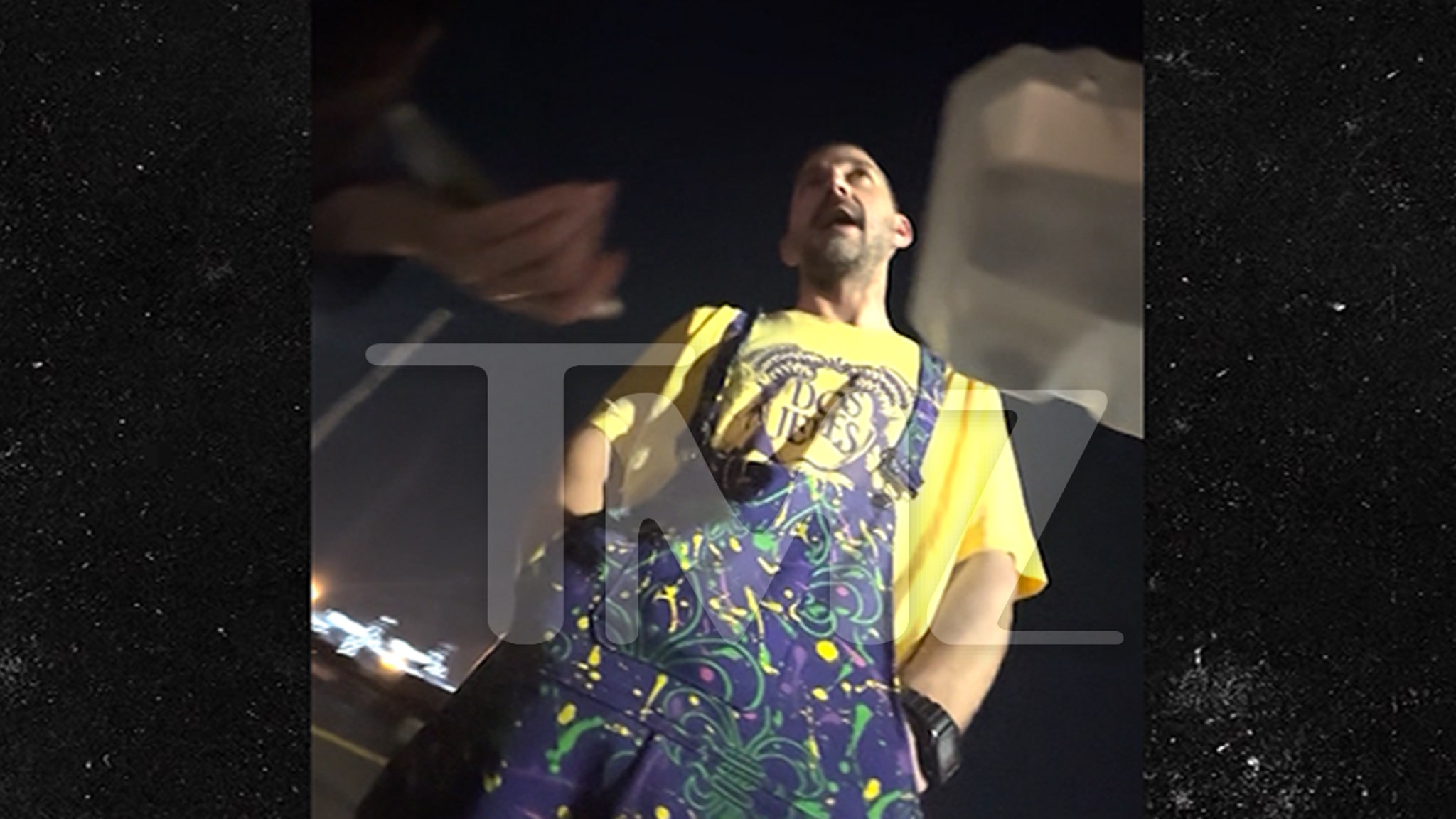
Shia LaBeouf Raves About Church, Sex in Wild Clip Recorded Week Before Arrest
Jeffrey Epstein’s Ex-Assistant Scores Massage Table, Art in NASCAR Driver Divorce

Cheek of the Week: Sommer Ray Is a Cowgirl Bae … Yeehaw!

Woman Arrested After Tying Up Dog at Airport and Departing, on Video

California Police Officer Goes Viral Over His Handsome Looks

LaMelo Ball Damages Custom Hummer in Charlotte Car Crash

Romance Roulette – The New York Times

Romance Glossary: An A-Z Guide of Tropes and Themes to Find Your Next Book

An Inside Look at Amtrak’s New Train

What Did Valentines Day Cards Look Like 200 Years Ago?

When Posting Becomes Its Own Style of Politics

‘Wuthering Heights’ | Anatomy of a Scene

Little Gem Salad With Crispy Halloumi

How ‘Wonder Man’ Can Reshape the Marvel Franchise
What Did Valentines Day Cards Look Like 200 Years Ago?
When Posting Becomes Its Own Style of Politics

Penny, a Doberman Pinscher, Wins 150th Westminster Dog Show

Fashion Highlights From the 2026 Golden Globes

The 2025 Vibe Scooch – The New York Times

Recreate Sarah Jessica Parker’s Chic Olive Coat Look for Just $62

Taylor Swift Rocks Chic Black Outfit During Girls Night With Este Haim
