News
Driver Gets 4 Parking Tickets After Disability Space Painted Around His Car

London, England
Paint and Switch!!!
Restricted Parking Spot Drawn Around Vacant Car
Published
Instagram/@silvastone
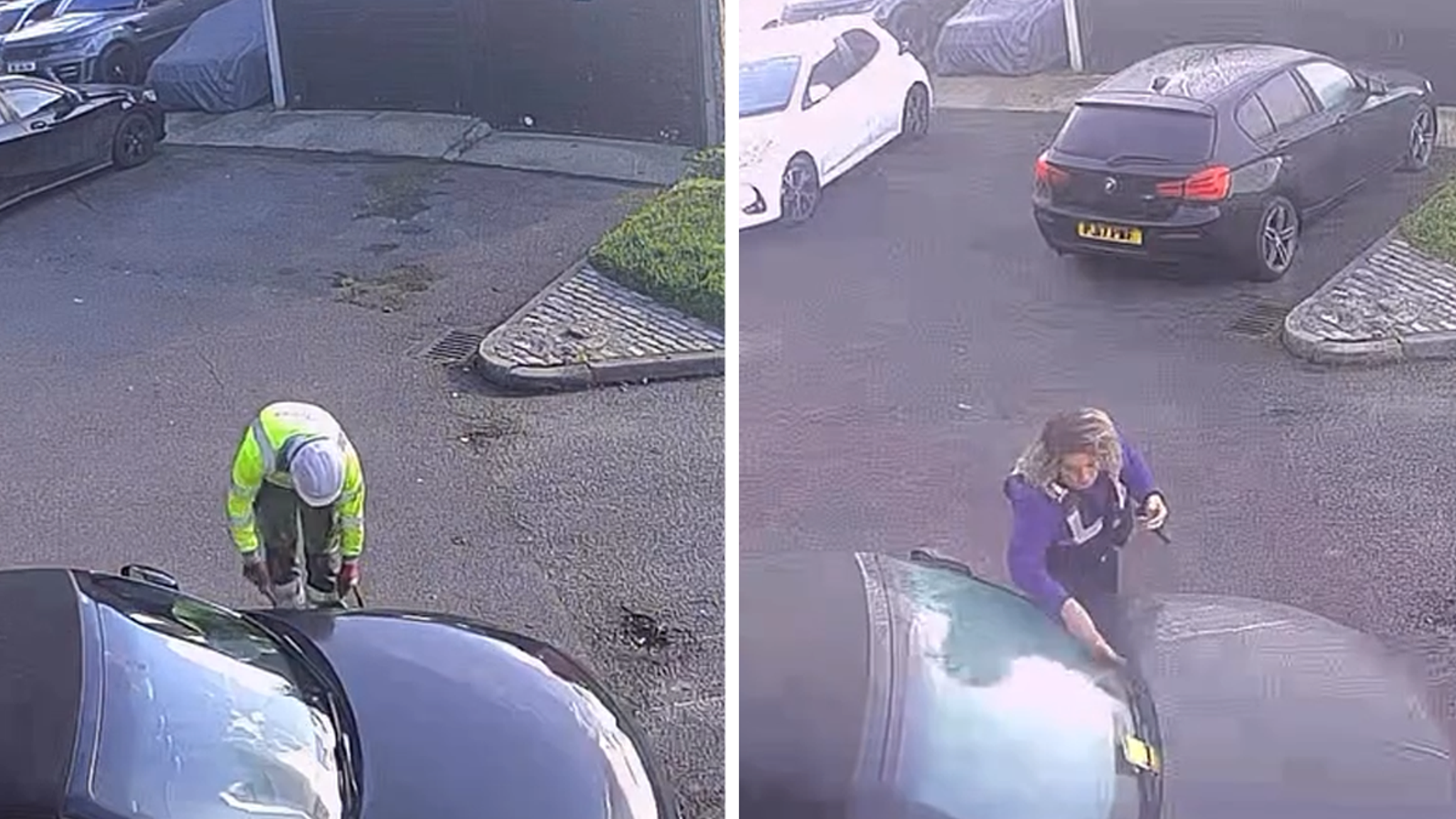
Talk about highway robbery! A London man was ticketed 4 times for leaving his car in a disability-accessible parking space … but it turns out, the space was painted around his car while he was out of town!
The vehicle owner told BBC he couldn’t even enjoy his trip last month … because he could see he was racking up fines via a CCTV camera trained on his car hoodwinking.
When he came back from his ruined vacation, he found 2 tickets on the windshield, as 2 others had inexplicably been removed by an unknown passerby. Thanks for nothing!
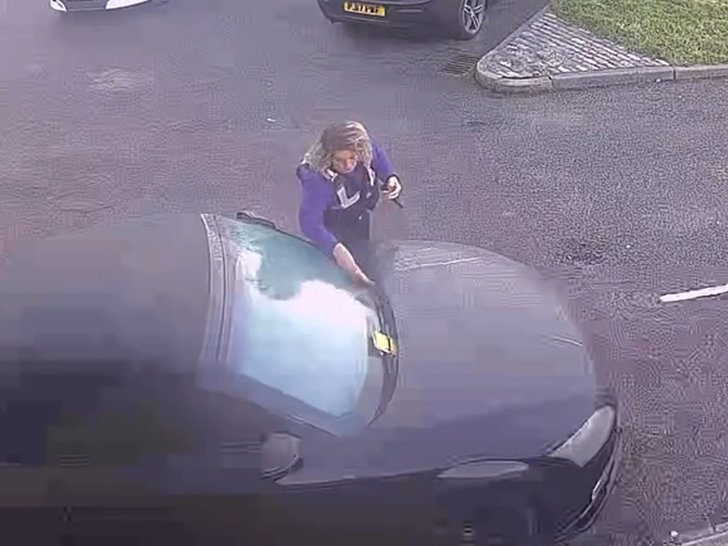
He said, “There was nothing I could do.”
But don’t worry, he won’t actually have to pay the fines … probably. The council in charge — clearly not great communicators — still hasn’t let him know directly one way or the other. They apparently commented on a video he posted online, but have neglected to send any official notice.
But how did this happen in the first place?
A spokesperson for the council said, “Our road markings contractor painted lines for a new disabled bay on 17 November in response to a request from a resident. The contractor painted around a car, as is standard practice, otherwise they would have to wait for the space to be free, which may have taken weeks.”
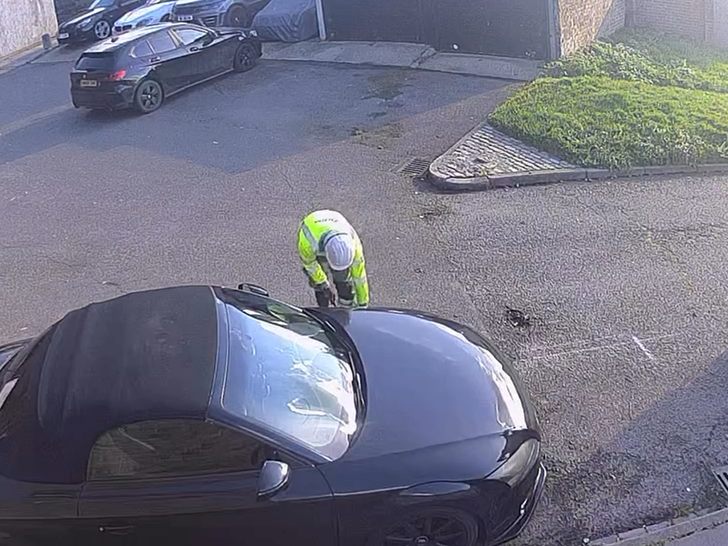
They added, “The contractor took a picture of the car, so we knew not to give the owner a fine. Unfortunately, one of our parking attendants was not informed and issued parking tickets. However, these were not processed into fines because we had a note on the system from our contractor. The tickets were cancelled a week before the video was uploaded to social media, and we have apologized for the confusion.”
Still, the person who requested the accessible parking space noted residents should’ve been given a heads-up.
“It’s the same as doing an extension or any other road work – you let people know,” he said. “Without any communication with your community, that’s the wrong way to do it.”


Machine Gun Kelly Totally Pumped About Megan Fox’s Sexy Instagram Photos
Porsha Williams Slams Ex-Husband Simon Guobadia’s ‘Deceptive Tactics’ in Erectile Dysfunction Battle

‘Hamnet’ | Anatomy of a Scene

Rapper Quavo Hit With $3 Million Lien for Unpaid Taxes by IRS

Tucker Carlson’s Multimillion-Dollar ALP Nicotine Shipment Hijacked

Garrett in 'Bad Teacher' 'Memba Him?!
Hawks’ Magic City Night Still On Despite Backlash, No Strippers To Perform

Woman Linked to David Harbour Asked to Leave Lily Allen Producer’s Party
News Anchor, Meteorologist Get Into Viral On-Air Spat Over Weather

Nick Cannon Takes Five of His Kids to Dinner in West Hollywood

Mary Cosby Plans to Film ‘RHOSLC’ Season 7 Despite Son’s Sudden Death

How the Editor in Chief of Marie Claire Gets Styled for a Trip to Italy

36 Hours in Las Vegas: Things to Do and See

‘1000-lb Sisters’ Star Amy Undergoes Surgery to Correct Lazy Eye, on Video

Prada Peels Back the Layers at Milan Fashion Week

Rihanna Shares New Video of Her in Studio, Sparks New Music Buzz
Prada Peels Back the Layers at Milan Fashion Week
How the Editor in Chief of Marie Claire Gets Styled for a Trip to Italy

What Did Valentines Day Cards Look Like 200 Years Ago?

When Posting Becomes Its Own Style of Politics

Penny, a Doberman Pinscher, Wins 150th Westminster Dog Show

Fashion Highlights From the 2026 Golden Globes

The 2025 Vibe Scooch – The New York Times
